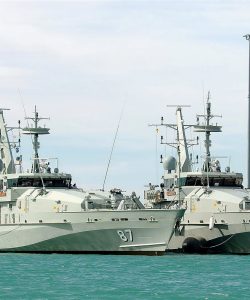
Seaforce provides defence maritime engineering for in-service support, configuration management and fleet sustainment across Australia.
Defence maritime engineering supports the technical decisions required after a vessel enters service, from investigating defects to planning modifications and maintaining accurate records. We help Defence-aligned, government and commercial operators build practical support around each vessel’s role, condition and operating requirements.
What Does Defence Maritime Engineering Cover During In-Service Support?
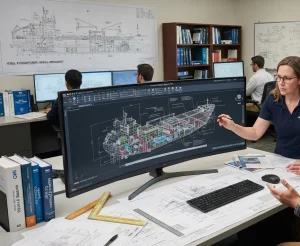
In-service support includes the engineering and management activities needed to sustain a vessel after delivery. Depending on the scope, this can cover naval architecture, mechanical and electrical engineering, maritime systems, technical investigations, risk assessments, testing, certification, maintenance planning, publication authoring, project management and integrated logistics support.
Our marine engineers and defence specialists assess how equipment, platform systems, documentation and support arrangements interact. This gives operators a clearer technical basis for deciding whether to maintain, repair, modify, test or replace an asset. The support model should reflect the fleet, operational priorities and available evidence rather than applying the same solution to every vessel.
Turning Technical Findings into Controlled Sustainment Work
Defence’s Plan Galileo and Maritime Sustainment Model place naval sustainment within Australia’s continuous shipbuilding and sustainment enterprise. At vessel and project level, operators still need disciplined controls that turn technical findings into authorised, traceable work.
A structured approach can address:
- Asset condition: Inspections, defect reports and operational data establish what requires attention.
- Maintenance scope: Priorities, access periods, labour and materials are defined before work begins.
- Engineering change: Proposed modifications are assessed for effects on safety, performance and future support.
- Verification: Testing and acceptance evidence confirm whether completed work meets the approved requirement.
- Configuration records: Drawings, equipment lists and technical publications are updated to match the vessel.
- Project controls: Schedules, costs, risks and contractor interfaces remain visible to decision-makers.
Why Configuration Management and Logistics Cannot Be Separated
A vessel is harder to support when its recorded configuration differs from its installed equipment. Outdated drawings, incomplete modification records or uncertain parts data can complicate maintenance planning and technical decisions.
Configuration management establishes a reliable baseline and controls changes to it. Logistics planning then connects that baseline with spares, suppliers, support equipment, training and technical information. Our Defence Support Services capabilities span both areas, allowing engineering and support considerations to be reviewed together.
This integrated approach helps operators identify obsolescence, procurement constraints and documentation gaps before they disrupt planned work. Our explanation of integrated logistics support shows how support elements are coordinated across an asset’s life rather than treated as separate purchasing or maintenance tasks.
Relevant Experience for Fleet Support Decisions
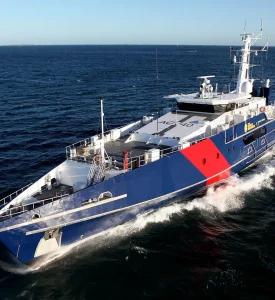
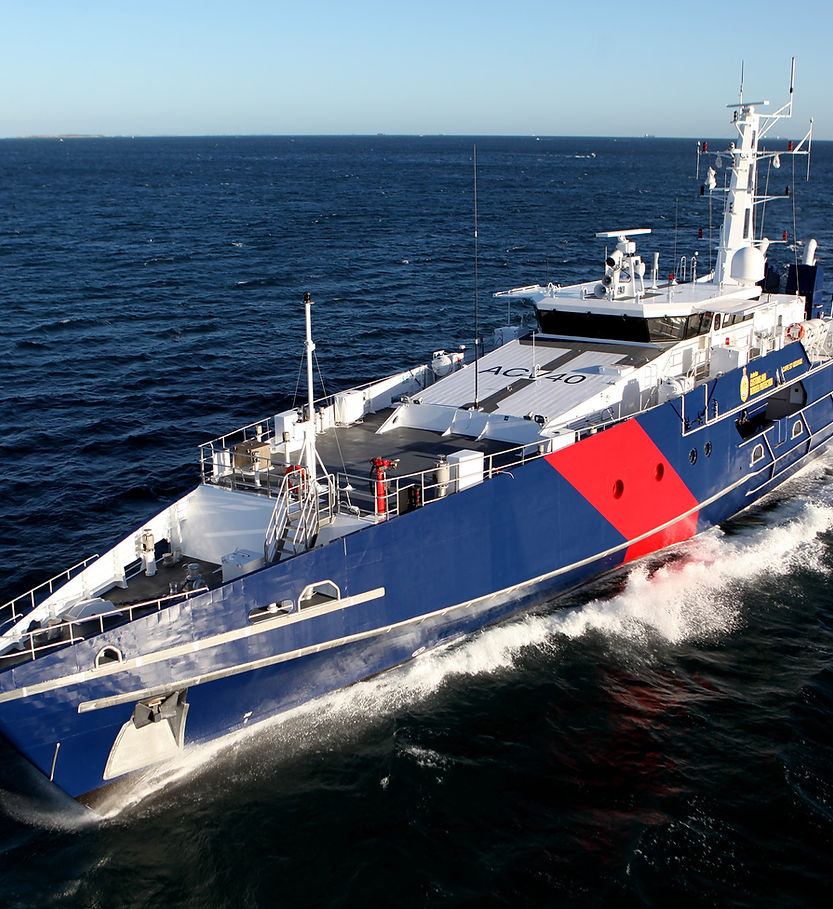
Our published maritime project experience includes engineering, maintenance management and logistics support for the Patrol Boat Systems Program Office, as well as fleet engineering support for the Australian Border Force. That work has included technical investigations, maintenance and repair direction, testing, verification and configuration management.
We use this experience to help clients define realistic scopes, review technical risk and coordinate engineering inputs with project and logistics needs. The required service may be a targeted investigation, specialist analysis or a broader in-service management arrangement.
Turn Maritime Engineering Priorities into Action with Seaforce
Effective defence maritime engineering connects technical assurance, controlled records, maintenance planning and support resources. If your organisation needs an assessment, defined engineering scope or ongoing vessel support, speak with Seaforce about the next practical step. Contact our team to discuss your fleet, current issue and operational priorities.