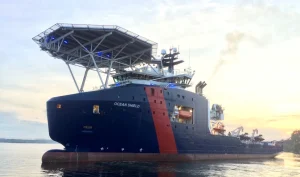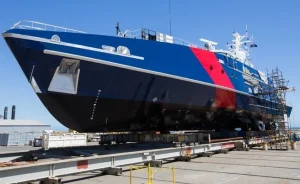
Seaforce provides critical lift engineering across Australia, supporting complex vessel upgrades through lift planning, structural checks and risk control.
A complex vessel lift involves more than choosing a crane with enough capacity. Effective critical lift engineering considers the equipment, rigging, working radius, access route, vessel structure and installation sequence as one operation. This planning helps owners, operators and project managers identify risks before work begins.
When Does a Vessel Upgrade Require Critical Lift Engineering?
A lift may become complex because of its shape, position or consequences, not simply its weight. Specialist planning may be appropriate when the load or operating environment cannot be managed through a routine lifting procedure.
- Uncertain load information: Equipment with an unverified weight, uneven distribution or offset centre of gravity may behave unexpectedly once suspended.
- Restricted access: Engines, generators, winches, tanks and modules may need to pass through narrow deck openings, hatches or spaces with limited clearance.
- Complicated rigging: Rotating a component, using lifting beams or coordinating multiple lifting points can change how forces are distributed.
- Difficult crane positioning: Long working radii, wharf limitations, nearby structures or a lift from a barge can reduce operating margins.
- Sensitive placement: Heavy equipment may require controlled landing onto prepared foundations without damaging the component, vessel or connected systems.
What Must Be Checked Before the Vessel Lift Begins?
A lift plan should reflect the load, crane configuration and worksite rather than general assumptions. The required controls will depend on the vessel, equipment, location and applicable regulations.
- Load details: Confirm the total weight, dimensions, centre of gravity and suitability of the lifting points, allowing for manufacturing variations.
- Crane capacity: Check the applicable load chart at the planned boom length, working radius and crane configuration, not only the crane’s headline capacity.
- Rigging arrangement: Include the weight and working load limits of slings, shackles, hook blocks, lifting beams and other equipment.
- Lift route: Map the starting position, travel path, clearances and final landing point, including temporary supports or structural openings.
- Operating controls: Establish weather limits, communication methods, exclusion zones, responsible personnel, hold points and stop-work conditions.
- Contingencies: Plan how the load will be placed safely if conditions change or the operation cannot continue as intended.
How Does Lift Planning Connect with the Vessel Modification?
The lift cannot be separated from the modification because the vessel must support the equipment. Deck plating, machinery foundations and temporary supports may require assessment for concentrated loads during landing and permanent loads after installation.
The final location of installed equipment may also affect the vessel’s displacement, trim or centre of gravity. Depending on the vessel and extent of the change, the owner may need to record the modification, notify AMSA, arrange stability reassessment by an accredited marine surveyor or meet other survey requirements under the applicable AMSA vessel modification guidance.
Manage Complex Marine Lifts with Seaforce
Seaforce combines critical lift engineering with vessel modification, naval architecture, structural design, stability assessment and class and survey assurance. Coordinating these services early can reveal access restrictions, unsuitable lifting points or structural limitations before crane mobilisation. The resulting plan supports safer execution, clearer responsibilities and a controlled path towards installation and return to service.
Contact us to arrange engineering support for your next complex vessel upgrade.