
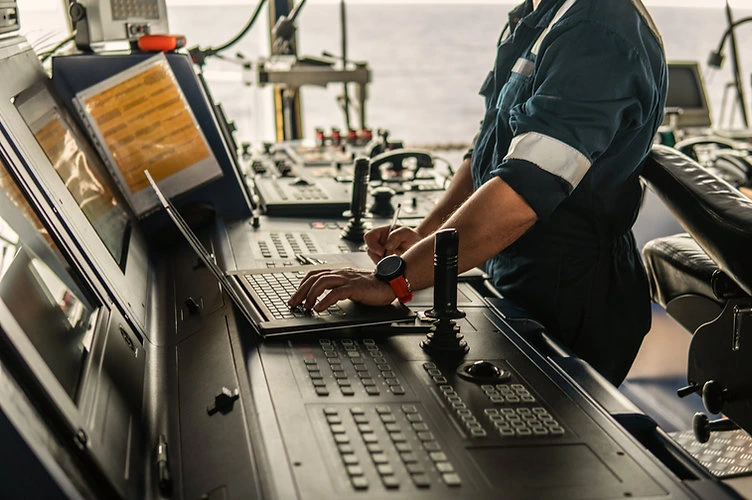
Seaforce provides Marine Engineering Services that support fleet readiness through maintenance planning, defect control and practical vessel support.
Marine engineering services support fleet readiness by helping operators make sound technical decisions before defects, maintenance gaps or configuration issues disrupt vessel availability. At Seaforce, we combine practical engineering, vessel support, project management and logistics experience to help clients keep marine assets safe, supportable and ready for operational demands.
Fleet Readiness Starts with Technical Condition
A vessel may be operational today but still carry defects or maintenance risks that reduce its future availability. Fleet readiness therefore depends on understanding equipment condition, prioritising work and planning maintenance around operational commitments.
Our marine engineering and vessel support services include engineering design, vessel repair and modification, class and survey assurance, project management, logistics support and ship and fleet management. Depending on the vessel and operating environment, engineering support can help operators address:
- Scheduled maintenance: Plan inspections, servicing and repair activities around operating periods, docking windows and survey requirements.
- Defect prioritisation: Assess which faults require immediate action and which can be controlled, monitored or scheduled for later work.
- Technical investigations: Examine recurring or complex problems so repair decisions address likely causes rather than only symptoms.
- Configuration control: Keep technical changes, equipment modifications and associated records aligned so future maintenance is based on accurate vessel information.
- Repair planning: Coordinate engineering requirements, resources, documentation and schedules before defects become disruptive work packages.
This creates a more disciplined link between vessel condition and operational planning.
Use Planned Maintenance to Reduce Avoidable Disruption
Planned maintenance is not simply a calendar of servicing dates. It should reflect the vessel, its equipment, operating profile and identified risks.
Australian Maritime Safety Authority guidance on planned maintenance states that domestic commercial vessel operators must have and document a regular program of maintenance and inspection activities. AMSA also notes that regular vessel and safety-equipment checks can help stop smaller issues developing into dangerous and expensive incidents.
For operators, that makes accurate records and defect follow-up commercially important as well as relevant to safety and compliance. Engineering input can help determine what a finding means, what work is required and how it should be incorporated into the wider maintenance program.
Connect Engineering with Logistics and Sustainment
Maintenance cannot keep a fleet ready if the required parts, technical information, people or support arrangements are unavailable when work is due.
Our integrated logistics support capability connects engineering decisions with maintenance planning, supply support, technical documentation and through-life sustainment. This is particularly valuable for complex fleets where a single unavailable component or poorly planned modification can affect several vessels or delay an operational program.
By considering supportability alongside technical condition, operators can make better decisions about repairs, upgrades, spares and future maintenance requirements.
Support Fleet Decisions Before Availability Is Lost
Seaforce has practical experience in vessel in-service support, marine logistics, technical investigations, integrity audits, risk assessment, project planning and ship and fleet management. Our people have worked across Defence, Australian Border Force and commercial maritime environments, including the operation, maintenance and repair of vessels.
When unresolved technical issues begin to affect fleet planning, early engineering input can help clarify the next steps. Speak with our marine engineering team to review defects, maintenance pressures and sustainment requirements and define practical priorities for vessel availability.