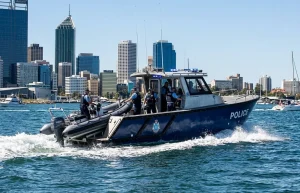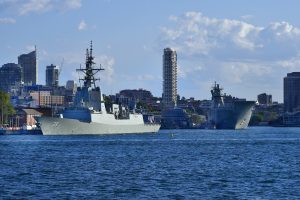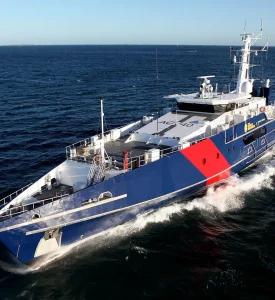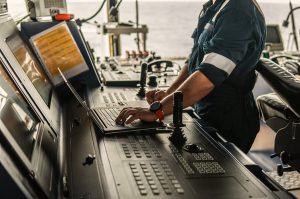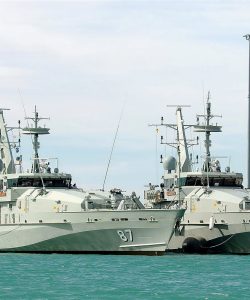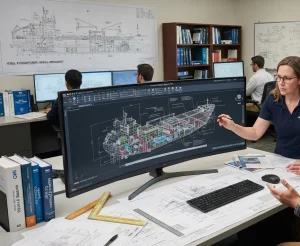
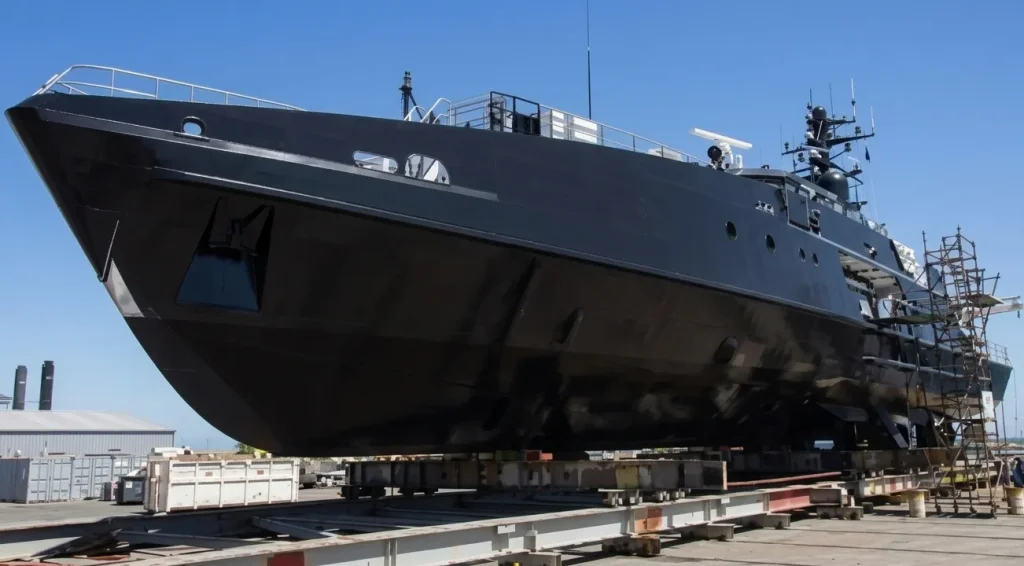
Seaforce delivers expert Marine Vessel Restoration in Australia, ensuring compliance, safety, and survey-ready results from assessment to handover.
Marine vessel restoration goes beyond cosmetic repairs, focusing on structural integrity, safety, and compliance with AMSA regulations. In Australia’s regulated maritime environment, every repair or modification must align with the NSCV and applicable Marine Orders to maintain certification and seaworthiness. A structured, compliance-focused approach prevents costly delays and ensures the vessel is fully survey-ready and operational.
Phase One: Condition Assessment and Compliance Planning
A successful restoration begins with a thorough condition assessment to ensure works are safe, efficient, and compliant. This stage determines whether the scope qualifies as routine maintenance or an alteration requiring AMSA approval. It also evaluates structural, mechanical, electrical, and safety systems, including potential impacts on Certificates of Survey or Operation for commercial vessels.
Key elements of a professional condition assessment include:
- Hull and structural integrity inspection, including corrosion and fatigue checks
- Machinery and propulsion system evaluation
- Electrical systems review in line with Australian standards
- Fuel systems and fire safety equipment inspection
- Stability considerations where the weight distribution may change
- Documentation review, including previous survey reports
Executing Restoration Works to Meet Australian Standards
Once the scope and compliance requirements are confirmed, restoration can proceed in line with the NSCV and relevant Australian Standards to maintain survey readiness. Structural repairs must restore strength and watertight integrity using approved marine construction methods. Machinery upgrades, including engine replacements or shaft alignment, must be properly installed and documented to meet regulatory and manufacturer requirements.
Electrical systems, including switchboards, shore power, and cabling, must comply with AS/NZS standards, while fire detection and emergency equipment must meet regulatory requirements. Environmental controls are essential, with proper containment of waste and accurate tracking to prevent marine pollution. Clear documentation, updated drawings, and photographic records help ensure smooth inspections and regulatory compliance.
Delivering Compliance-Ready Results: Certification and Handover
The final stage of marine vessel restoration is verification and certification. A compliance-ready outcome means the vessel is prepared for inspection, survey verification, and operational approval without unnecessary delays.
Before handover, the following should be finalised:
- Updated as-built drawings and system documentation
- Stability documentation where applicable
- Test and commissioning records for electrical and machinery systems
- Fire system servicing and compliance records
- Environmental and waste management documentation
For commercial vessels, working with accredited marine surveyors ensures compliance with Marine Order 503 and Marine Order 504, including necessary SMS updates. Sea trials and final inspections verify performance, safety, and reliability. A comprehensive handover package confirms the vessel meets all operational and regulatory requirements.
Delivering Compliance-Ready Marine Vessel Restoration with Sea-Force
At Sea-Force, marine vessel restoration is approached with technical precision and regulatory awareness. Our team understands that compliance is not an afterthought. It is integrated into every stage, from assessment to final certification. We deliver practical solutions that protect your investment, minimise downtime, and ensure your vessel is ready for survey and operation.
Planning a refit or full marine vessel restoration? Partner with a team that prioritises compliance, safety, and long-term performance. Contact us to move your project forward with confidence.
Related Blog Articles:
Marine Vessel Restoration: Cutting-Edge Upgrades for Modern Military Operations
2026 Vessel Refits: What’s Changing, What’s Harder – A Guide for Shipowners & Operators