
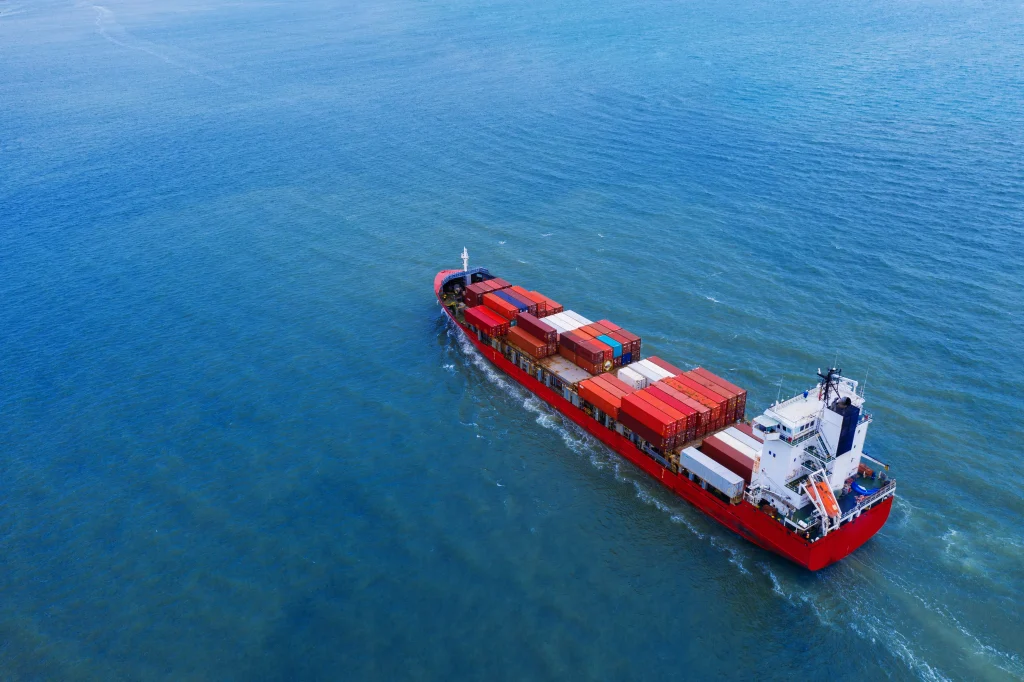
Seaforce shows how integrated logistics support cuts lifecycle costs in maritime engineering while boosting reliability and long-term vessel sustainment.
Managing maritime assets requires planning across the entire lifecycle, from design and construction to operation, sustainment and disposal, as these stages determine total cost of ownership. For organisations in shipping, offshore energy and defence, controlling lifecycle costs is critical for long-term efficiency. Integrated logistics support (ILS) helps achieve this by embedding logistics planning early, improving reliability, availability and cost control throughout a vessel’s service life.
Exploring Lifecycle Costs in Maritime Engineering
Lifecycle costs cover all expenses linked to a maritime asset from initial concept to final decommissioning. While design and construction require major upfront investment, most costs occur during the operational and sustainment phases. These include maintenance, repairs, spare parts, training, upgrades and regulatory compliance, all of which are essential to maintain vessel readiness and safety over time.
Poor lifecycle planning can result in frequent equipment failures, higher repair costs and reduced operational availability. In contrast, effective lifecycle management focuses on improving reliability, reducing maintenance complexity and ensuring that vessels can be supported efficiently throughout their operational life. By considering these factors during the early stages of engineering, organisations can avoid costly redesigns and reactive maintenance later.
How Integrated Logistics Support (ILS) Helps Control Long-Term Costs
Integrated logistics support (ILS) is a systems-based approach that ensures vessels and equipment remain supportable throughout their operational lifecycle. It integrates maintenance and logistics planning during the design and development stages rather than after deployment. This proactive strategy helps reduce operational costs while improving long-term reliability and sustainment.
Key elements of an effective ILS strategy include:
- Reliability, Availability and Maintainability (RAM) analysis to improve system performance
- Logistics Support Analysis to identify maintenance requirements and resource needs
- Spare parts provisioning and supply chain planning to reduce operational delays
- Maintenance strategy development, including preventive and predictive maintenance
- Technical documentation and training programs to support crews and maintenance teams
The Practical Benefits of ILS in Maritime Operations
Integrated logistics support (ILS) helps maritime organisations maintain reliable, operational assets while managing long-term costs. By planning sustainment early in the engineering process, operators can avoid many inefficiencies associated with reactive maintenance. It also improves fleet readiness by reducing downtime through better maintenance planning and supply chain support.
Some of the practical advantages include:
- Improved vessel availability and operational readiness
- Reduced unplanned maintenance and equipment failure
- More efficient spare parts and supply chain management
- Enhanced maintenance planning and workforce efficiency
- Longer service life for critical maritime systems
Seaforce: Supporting Maritime Efficiency with Integrated Logistics Support (ILS)
Effective lifecycle management requires a strategic approach that aligns engineering, logistics and operational planning. Seaforce applies integrated logistics support (ILS) to help maritime organisations manage assets efficiently while maintaining long-term readiness. By integrating logistics early in the engineering process, organisations can reduce maintenance costs, improve reliability and extend asset service life.
Contact us today to learn how we can support your maritime engineering and logistics support requirements.
Related Blog Articles:
Lifecycle Maintenance Strategies for Long-Term Marine Asset Value
2026 Guide: Preventive Marine Maintenance Planning for Commercial Fleets