
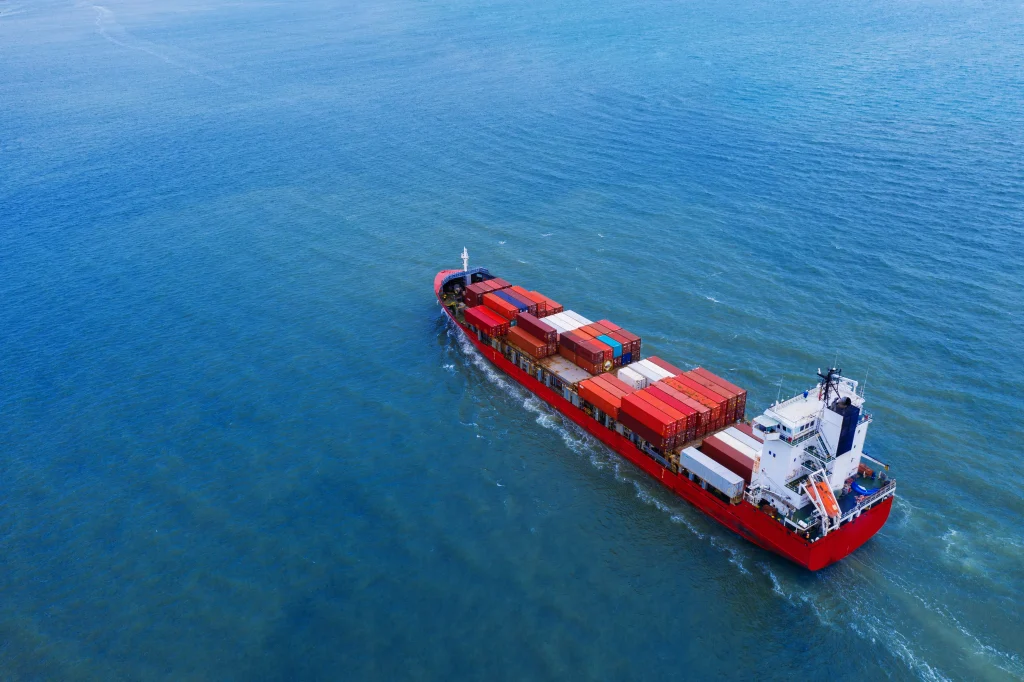
Seaforce delivers expert integrated logistics support, enhancing fleet readiness and operational efficiency for reliable maritime performance.
In the maritime defence and commercial sectors, maintaining fleet readiness is essential for mission success. Ships and naval assets must perform reliably in demanding conditions, and this is where integrated logistics support (ILS) becomes vital. More than maintenance alone, ILS is a structured approach that optimises every stage of a vessel’s lifecycle for performance, cost efficiency, and longevity.
Let’s break down how ILS strengthens fleet readiness and why working with experts like Seaforce can make all the difference in keeping your vessels at peak performance.
What Integrated Logistics Support Really Means
Integrated logistics support is a management framework that ensures complex systems like ships, submarines, and defence fleets are efficiently sustained throughout their service life. It emphasises foresight, planning, and long-term sustainability. By focusing on prevention rather than reaction, ILS streamlines maintenance, supply chains, and documentation to minimise downtime and improve mission reliability.
For maritime fleets, this means fewer operational interruptions and a stronger assurance that every vessel is ready when it’s needed most.
The Core Elements of ILS in Fleet Management
To understand how ILS supports fleet readiness, it’s important to look at its key components. Each element is interconnected, creating a holistic framework that enhances operational effectiveness and safety.
Here are some of the main aspects of integrated logistics support:
• Maintenance Planning: Establishes preventative maintenance schedules and ensures all systems are serviced efficiently to avoid unexpected failures.
• Supply Support: Manages spare parts availability, procurement, and logistics to minimise downtime.
• Technical Documentation: Provides detailed manuals and engineering data to support maintenance and repairs.
• Training & Personnel Support: Equips crew and technicians with the knowledge and skills needed to maintain operational readiness.
• Configuration Management: Tracks system changes and updates to maintain standardisation and compliance.
• Design Interface: Integrates supportability considerations into the initial design phase to reduce lifecycle costs.
By combining these disciplines, ILS ensures that every asset operates smoothly throughout its service life, minimising risk and maximising efficiency.
How Seaforce Enhances Fleet Readiness Through ILS
Seaforce leads Australia’s maritime logistics and engineering industry by delivering reliable, tailored ILS strategies for naval, commercial, and offshore operations. Our commitment to full lifecycle management sets us apart, ensuring every stage of a vessel’s operation is supported. From concept to decommissioning, we partner with clients to enhance reliability and reduce long-term costs.
Our ILS services extend to:
• Maritime engineering and system integration
• Supply chain and spare parts management
• Maintenance planning and performance analysis
• Technical documentation and compliance auditing
Every solution we deliver is backed by deep industry knowledge, precision engineering, and a focus on safety and operational readiness.
Trust Seaforce for Expert Support and Long-Term Value
At Seaforce, we know fleet readiness comes from experience, reliability, and strategic planning. Our integrated logistics support services help Australian maritime and defence organisations operate safely, efficiently, and sustainably. With proven expertise in marine engineering and lifecycle support, we’re committed to strengthening fleet operations from the ground up.
If you’re looking for a partner who values precision, accountability, and long-term results, contact us now.
Related Blog Articles:
Ship Maintenance Solutions: Reduce Downtime for Fleet Operators Across Australia
End-to-End Marine Repair Services for Government & Commercial Vessels in Australia