Seaforce provides marine navigation systems for smarter routing and real-time control, helping AU commercial fleets meet the 2026 AMSA standard.
As we progress through 2026, the Australian maritime industry has officially entered the “S-100 Implementation Decade” under the guidance of the Australian Maritime Safety Authority (AMSA). This transition marks a shift from static charts to highly integrated marine navigation systems that offer unprecedented data interoperability. Modern commercial fleets are now leveraging these digital advancements to ensure safer, more efficient voyages across our complex coastal waters.
ECDIS 2.0: The Foundation of Modern Marine Navigation Systems
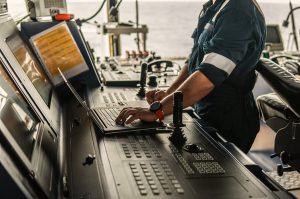
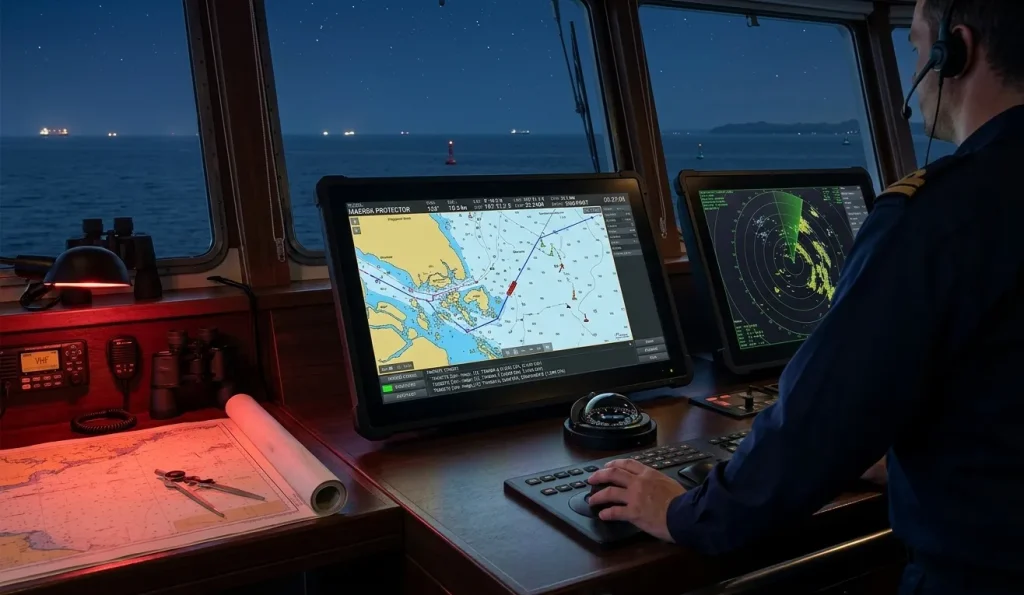
The transition to ECDIS 2.0 represents a total reimagining of maritime interaction by adopting the S-101 standard for seamless data integration. These modern marine navigation systems allow officers to view high-resolution bathymetry and real-time surface currents directly on a single primary display. This unified approach significantly reduces cognitive load, enabling bridge teams to prioritise critical decision-making over manual data management.
In Australia, where environmental regulations are particularly strict, having a clear and multi-layered view of the ocean is vital for maintaining safety and compliance. Automatic updates from the Australian Hydrographic Office ensure that every voyage is planned to use the most current and accurate information available. This constant stream of data allows commercial fleets to navigate our unique coastal challenges with absolute confidence.
Precision Control: S-129 and Real-Time UKCM Integration
The adoption of S-129 standards for Under Keel Clearance Management marks a significant 2026 milestone for precision throughout complex channels like the Torres Strait. By integrating live hydrodynamic data into the bridge display, pilots and masters can achieve centimetre-level accuracy during critical transits. This innovation allows the largest bulk carriers to navigate shallow waters safely by accounting for real-time tidal surges and vessel squat.
- Dynamic Calculations: Systems now automatically adjust for water density and temperature changes that affect vessel buoyancy.
- Real-Time Alerts: Immediate notifications are sent to the bridge if the safety margin narrows due to unexpected weather shifts or tidal changes.
- Maximised Efficiency: By reducing the need for excessive safety buffers, fleets can carry more cargo per voyage without increasing their risk profile.
- Data Standardisation: Using the S-129 format ensures that shore-side data matches what the bridge team sees, eliminating dangerous communication errors.
Smarter Routing: From Predictive AI to Agentic Bridge Support
Modern marine navigation systems now utilise proactive AI agents to monitor vessel performance against the IMO Carbon Intensity Indicator (CII) in real time. These systems suggest optimised route alternatives to bypass adverse weather and excessive fuel burn, providing a critical advantage for unpredictable Australian coastal routes.
By synchronising with low-latency satellite data, which often involves marine communications overhauls, fleets can implement “slow steaming” to reduce fuel costs by up to 27% while maintaining precise arrival windows.
Securing Your Future with Seaforce Marine Navigation Systems
Advanced bridge technology is now essential for navigating the evolving digital landscape of the maritime sector. Seaforce supports Australian vessel operators by providing state-of-the-art marine navigation systems and expert technical guidance tailored to local conditions. Our solutions ensure your fleet remains AMSA-compliant and commercially competitive through seamless ECDIS upgrades and UKCM data integration.
Contact us to schedule a consultation on modernising your bridge for the S-100 era. We are ready to assist your fleet in achieving peak efficiency and full regulatory compliance through advanced marine navigation systems.
Related Blog Articles:
Marine Engineering Services: Navigating ISM Compliance – A Guide for Australian Ship Operators
Marine Engineering Solutions: End-to-End Ship Design & System Implementation